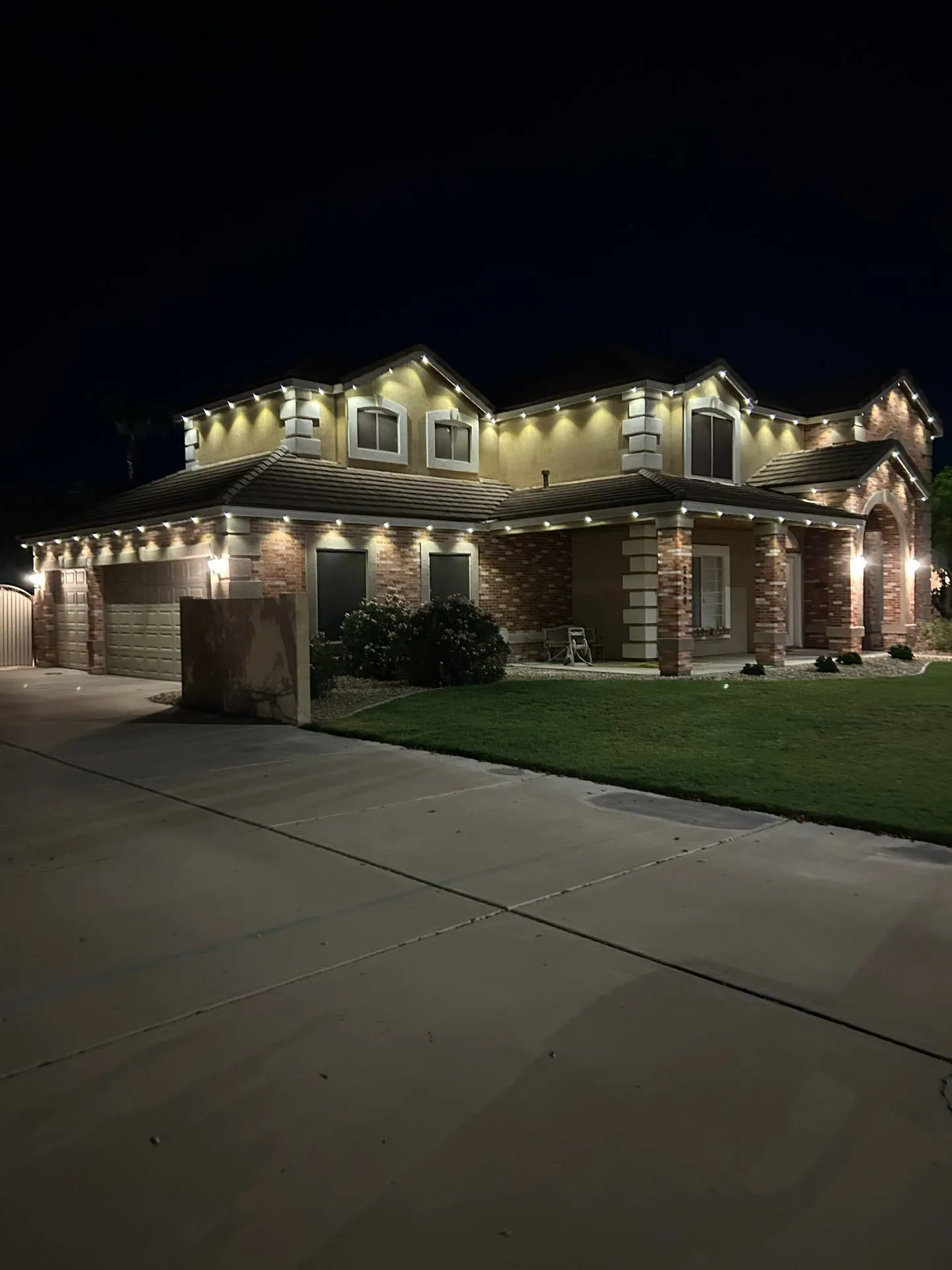
Why Arizona's Summer Heat Makes DIY Home Renovations Dangerous
Arizona summers are stunning — but stepping onto a ladder to tackle a roofline project when it's 110°F outside is a risk no homeowner should take. Here's what you need to know before picking up that drill.
Every summer, Arizona emergency rooms see a surge in heat-related injuries — and a surprising number of them happen to homeowners attempting DIY projects in their own yards. What starts as a weekend improvement project can turn into a medical emergency faster than most people expect, especially when it involves climbing ladders, working on rooflines, or spending extended time in direct sun.
Arizona Heat Is in a Different Category
Most people understand that Arizona is hot. What they underestimate is just how extreme that heat becomes during summer months and how quickly it affects the human body. Phoenix routinely sees temperatures above 110°F from June through August, and surfaces exposed to direct sunlight — like rooflines, stucco walls, and metal fascia — can exceed 160°F. That's not uncomfortable. That's dangerous.
The National Weather Service classifies Arizona's desert heat as one of the most hazardous climatic conditions in the United States. Even fit, experienced outdoor workers follow strict protocols — hydration schedules, mandatory shade breaks, buddy systems — to stay safe. The casual weekend DIY project has none of those guardrails.
Heat Exhaustion and Heat Stroke Can Strike Fast
Heat exhaustion — the warning stage before heat stroke — can set in within 30 minutes of strenuous outdoor activity in extreme heat. Symptoms include heavy sweating, weakness, a fast and weak pulse, nausea, and dizziness. The problem is that these symptoms often feel gradual and manageable, which causes people to push through them instead of stopping.
Heat stroke, the life-threatening progression, can follow quickly. Core body temperature spikes above 104°F, the body stops sweating, and confusion or loss of consciousness can occur. Heat stroke kills hundreds of Americans every year and is consistently one of the leading causes of weather-related fatalities in Arizona specifically.
- Heat exhaustion can develop in under 30 minutes at 110°F
- Roofline surfaces can reach 160°F+ in direct Arizona sun
- Dehydration accelerates heat illness significantly
- Symptoms often feel gradual — many people don't stop in time
- Heat stroke can cause permanent organ damage or death
Ladders and Dizziness Are a Dangerous Combination
Any project involving a ladder raises the stakes considerably. Falls from ladders are one of the leading causes of home improvement injuries year-round — and heat compounds every factor that makes ladder work risky. Dizziness, one of the earliest symptoms of heat exhaustion, dramatically increases fall risk. Sweaty palms reduce grip. The disorientation that comes with early heat illness can impair judgment and reaction time without the person even realizing it.
Roofline work specifically requires sustained balance, reaching, and physical effort at height — exactly the conditions that become most dangerous when your body is struggling with heat stress. The combination of a two-story ladder, a hot metal fascia, and a body working toward heat exhaustion is genuinely life-threatening.
What Professional Crews Do Differently
Licensed exterior contractors who work Arizona summers do so with systems that most homeowners simply don't have in place. Early morning start times, mandatory shade and water breaks, team-based work so no one is ever working alone, and experience recognizing heat illness in themselves and their colleagues. Our installation crews are trained to work safely in Arizona's climate — it's part of the job, not an afterthought.
Beyond the safety protocols, professional crews also have the equipment to work efficiently. What might take an inexperienced homeowner four or five hours on a summer afternoon — with all the heat exposure that entails — a trained team can complete safely in a fraction of the time.
The Smartest Home Upgrade Is One You Don't Risk Your Life For
There are plenty of DIY projects that are perfectly appropriate for Arizona homeowners. Painting an interior room, updating cabinet hardware, refreshing landscaping during cooler morning hours — these are reasonable weekend projects. Climbing a ladder to work on your roofline in July is not. The savings from doing it yourself aren't worth a trip to the emergency room.
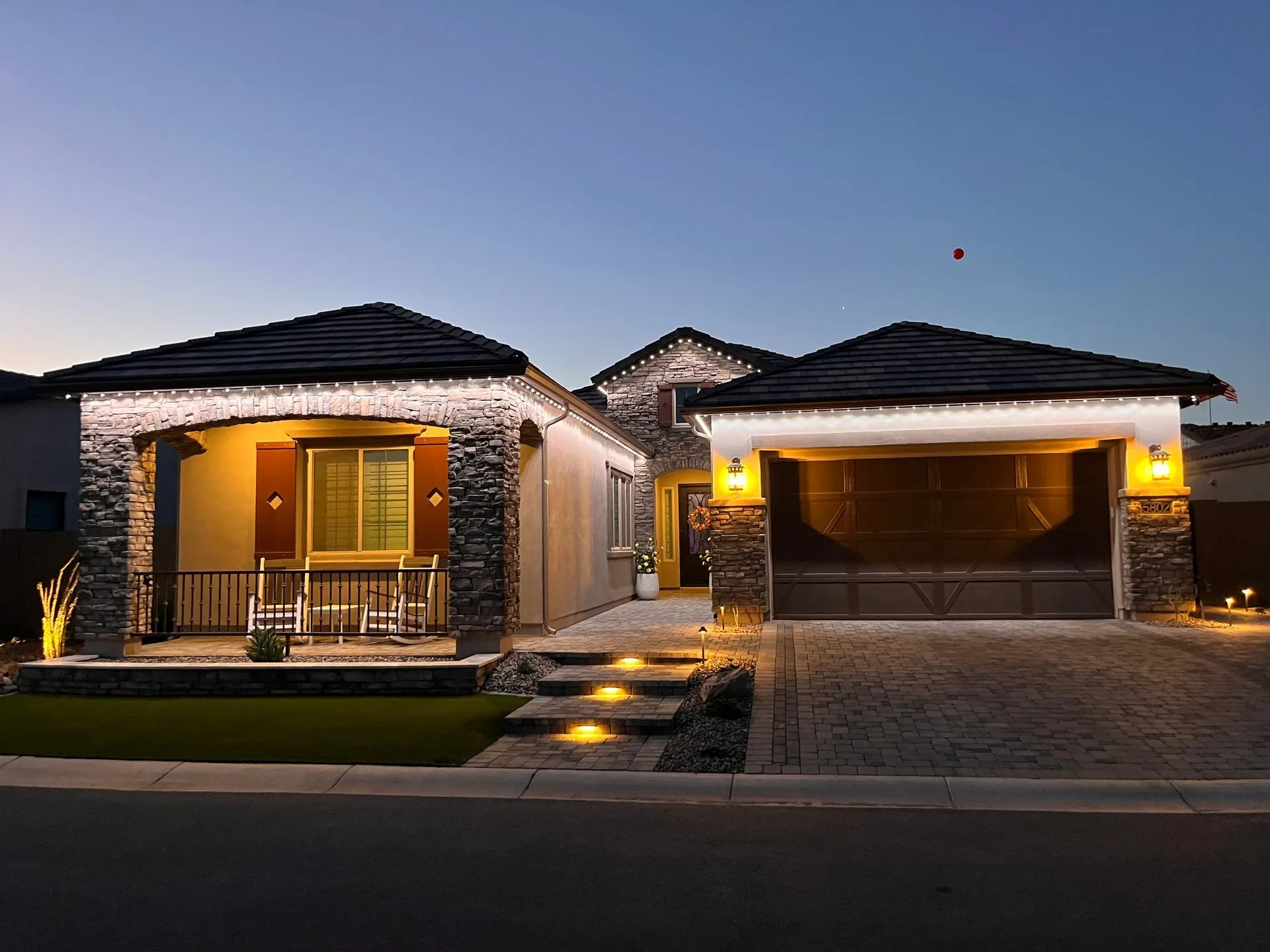
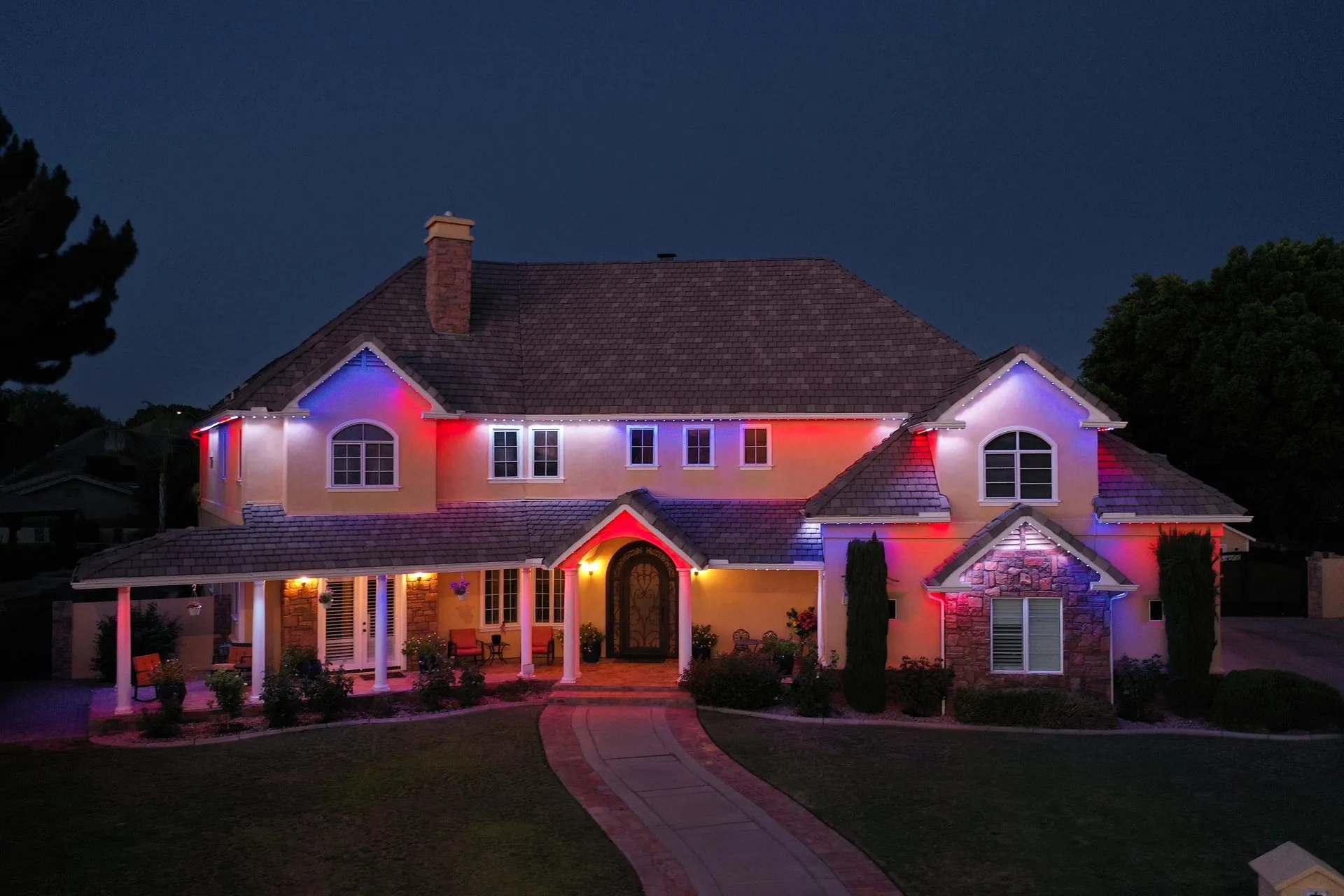
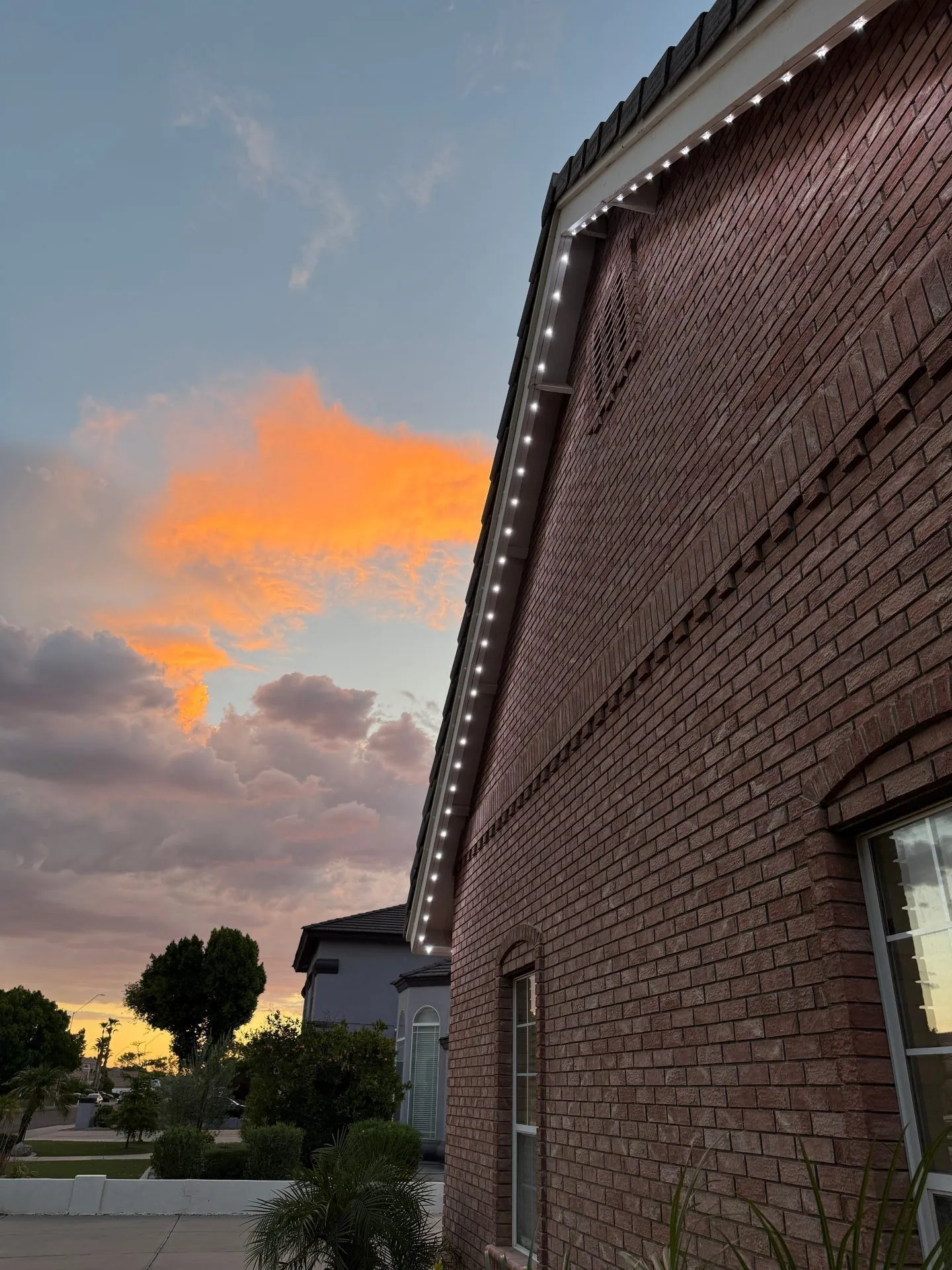
Permanent outdoor lighting is one of the best investments you can make in your home's curb appeal and functionality — and it's also exactly the kind of roofline project that should always be handled by a licensed professional. Not just because the results are better, but because your safety matters.
Let our professional crew handle the roofline work safely. Get a free quote from Sundown Permanent Lighting — no ladders required on your end.
Ready to Transform Your Home?
Get a free, no-obligation quote for permanent LED lighting on your Arizona property.